Designing your bespoke wedding atmosphere
The art of wedding scenography and design
From the welcome area, the visual environment sets the romantic mood for the celebration. Custom styling transforms a venue into an immersive experience, weaving personal stories into every lounge corner and floral arrangement.
Defining the aesthetic and narrative style
Selecting a cohesive theme provides a roadmap for every decision, ensuring consistency across the event. Whether drawing inspiration from classic eras or modern art, the chosen style dictates the whimsical vibe and guest experience.
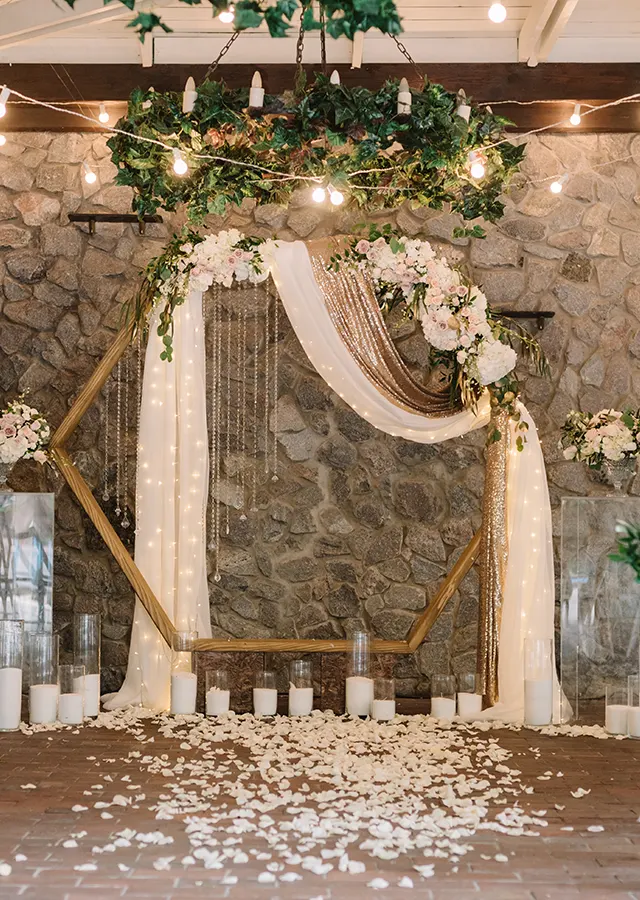
Bohemian elegance and natural charm
Reclaimed wood accents blend with gauze runners for an organic, grounded feel.
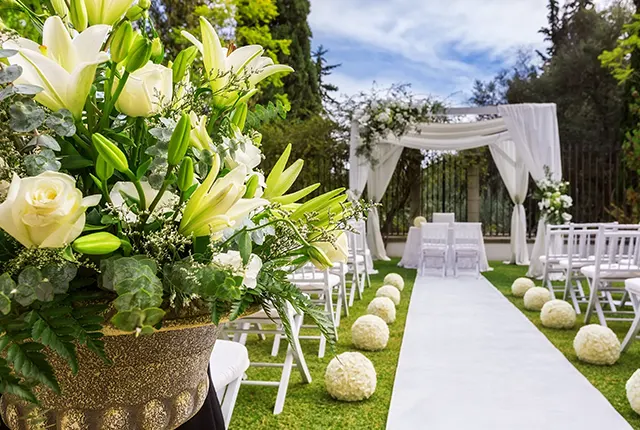
Modern minimalist and clean lines
Monochromatic palettes and acrylic structures create a sophisticated, airy spatial dynamic.
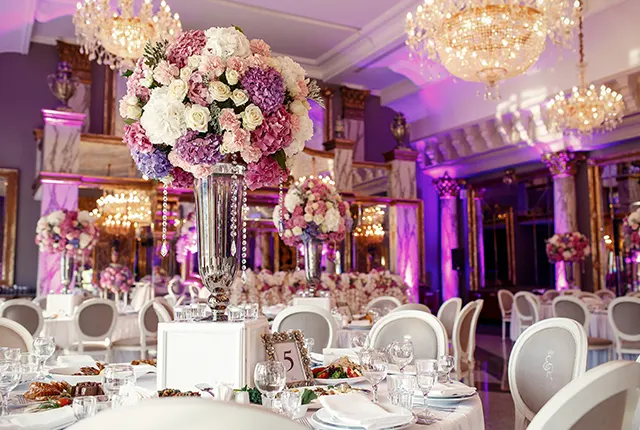
Vintage glamour and gilded accents
Antique brass candelabras and velvet textures evoke a sense of Opulent luxury.
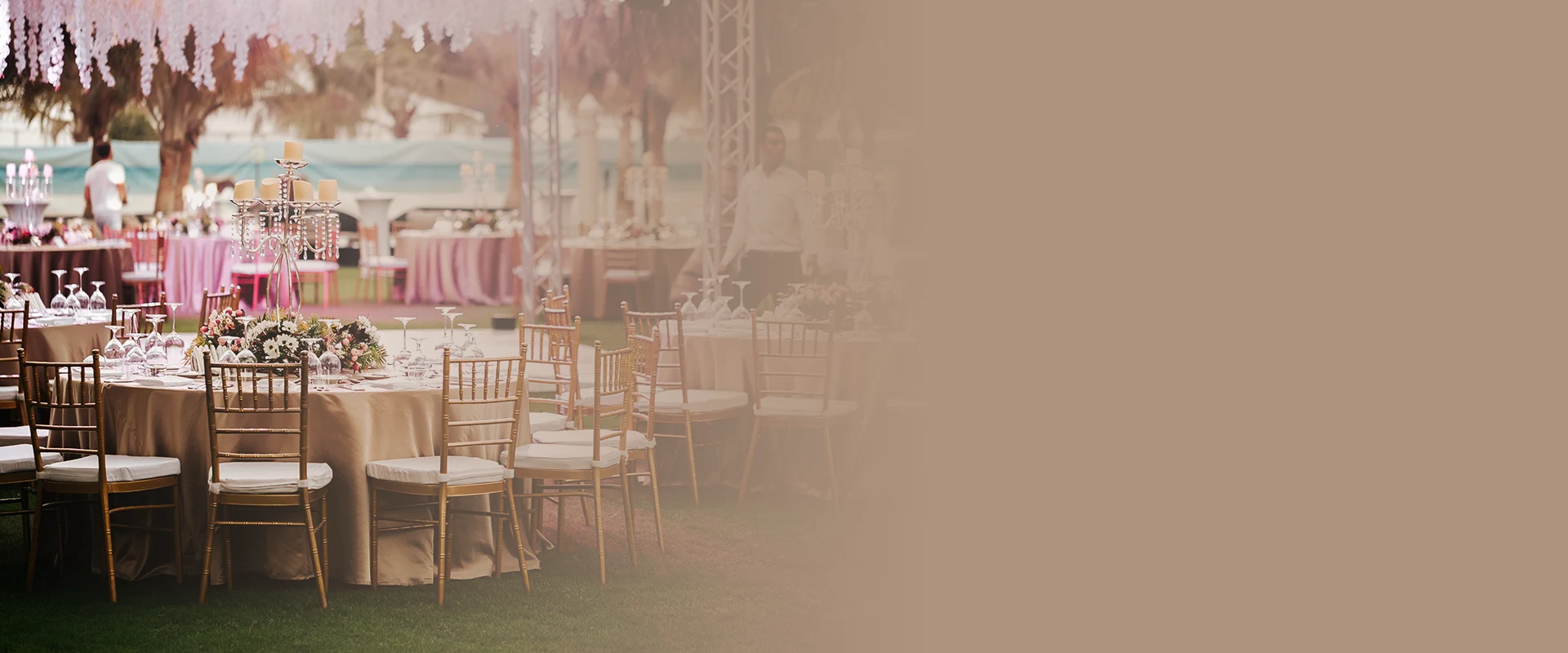
Transforming venues through spatial scenography
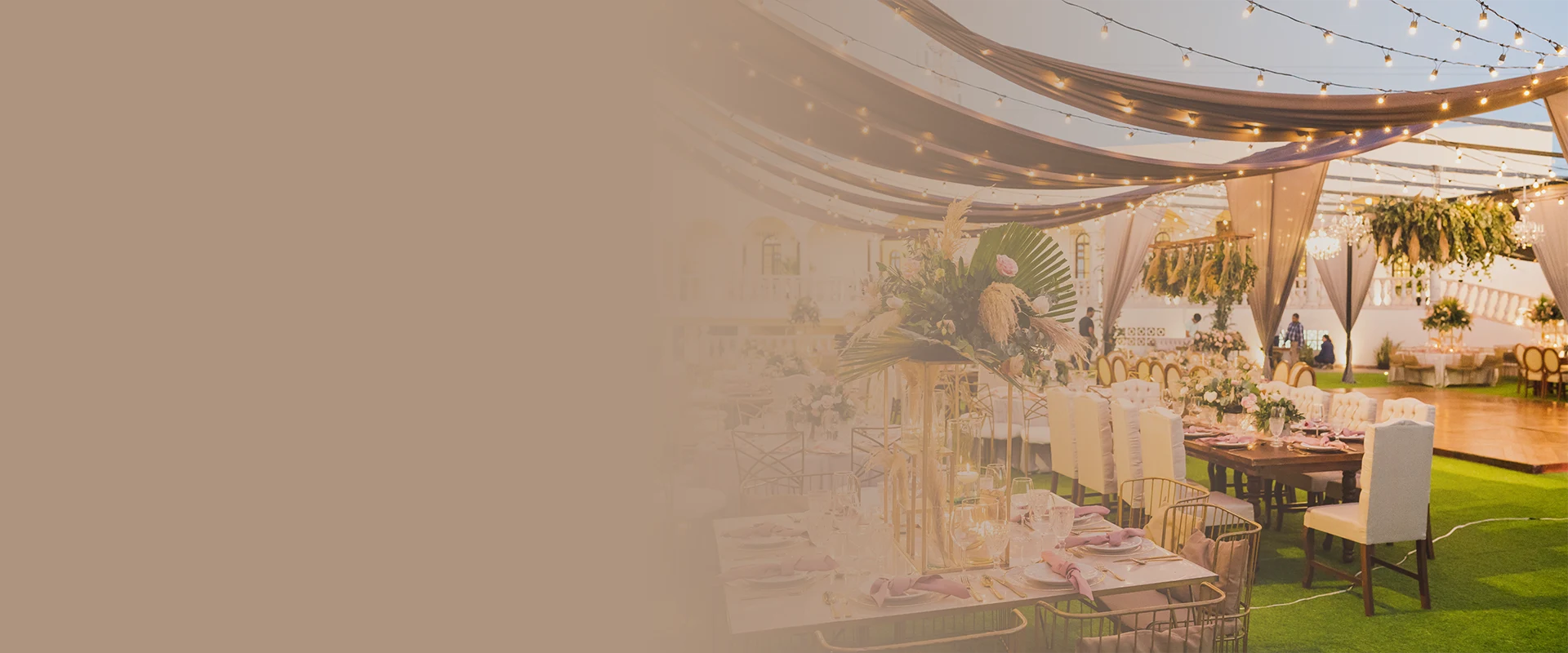
Strategic lounge seating directs the movement of the crowd, creating intimate pockets for conversation within larger halls. By manipulating heights using suspended florals, designers break visual monotony, encouraging the eye to travel upward and appreciate the marquee or ballroom setting.
The transition between the solemn ceremony area and the party-focused reception space requires a shift in energy. Lighting intensity increases, while banquet layouts become more communal, fostering interaction and celebrating the union through shared dining.
Floral artistry and botanical elements in design
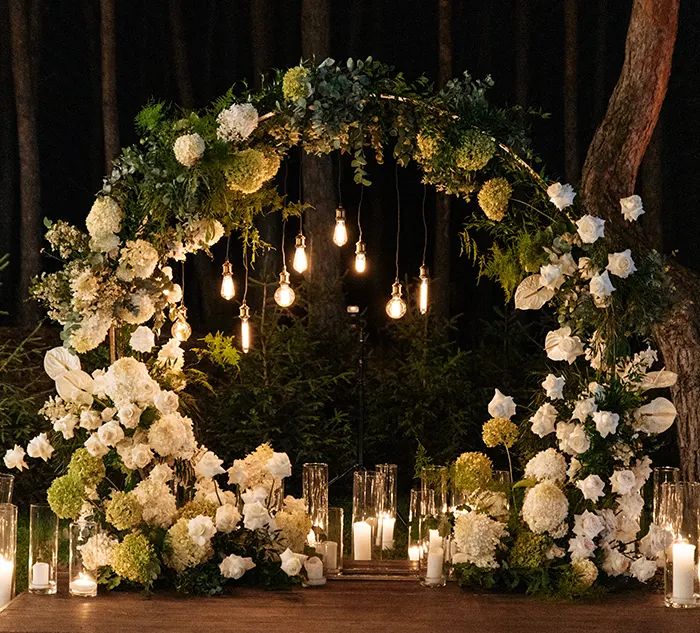
Seasonal peonies serve as living sculptures, softening rigid architectural lines with organic shapes and vibrant hues. Large-scale floral arches frame the couple during vows, while delicate Ikebana vases on reception tables offer a fragrant experience that connects guests to nature’s eco-friendly abundance.
Beyond colorful petals, cascading ferns and foliage add depth and texture to the overall composition. Eucalyptus runners or hanging dried palms bring a lush, garden-like quality indoors, bridging the gap between the built environment and the outdoors.
Harmonizing color palettes and textures
Color psychology plays a pivotal role in influencing the atmosphere, with terracotta generating energy and cool shades inducing calm. Combining these hues with rattan or silk prevents the design from feeling flat or one-dimensional.
Soft blush pastels paired with chiffon evoke gentle romance.
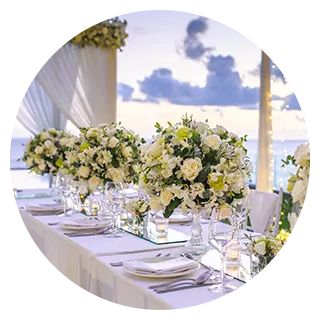
Soft romantic hues and finishes
Bold emerald tones against velvet fabrics create dramatic opulence.
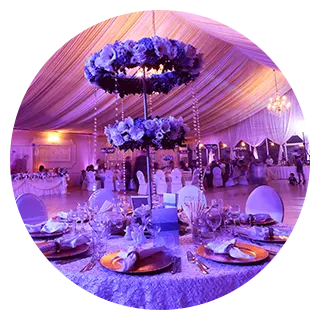
Dramatic jewel tones and velvet
Neutral beige shades with woven textures offer organic warmth.
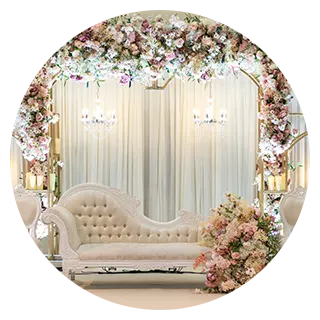
Organic earthy neutrals and linen
Mastering lighting and visual atmospheres
Lighting transforms a space more effectively than any other element, shifting the mood from daylight clarity to candlelit intimacy. It highlights focal points like the dance floor while obscuring less desirable features of the venue.
Curating table settings and staging details
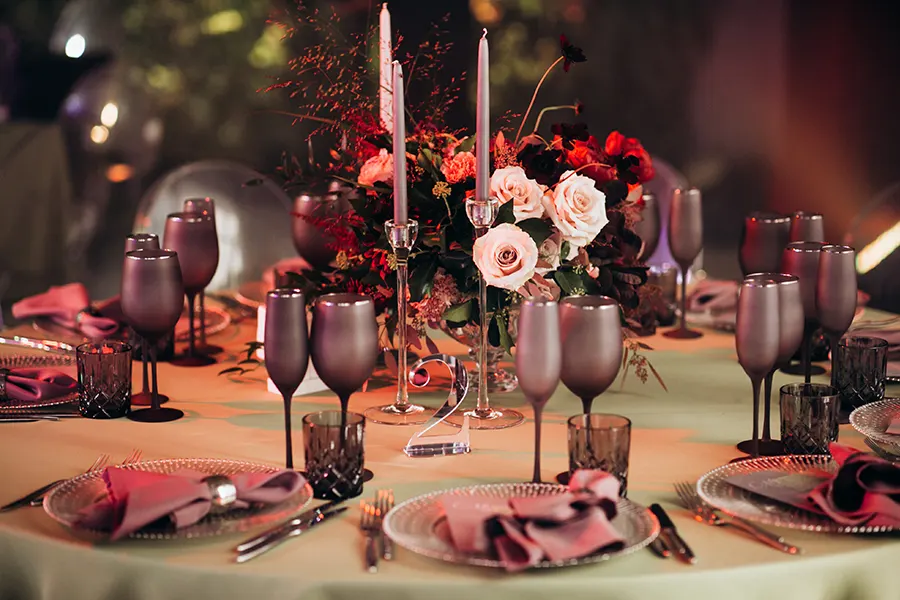
The tablescape is where guests spend time, making small details crucial for a polished look. Gold cutlery, crystal glassware, and personalized favors add layers of sophistication. These tactile elements invite touch and inspection, turning the dining experience into a feast for all the senses.